50 Years of Discovery
Advancing Together
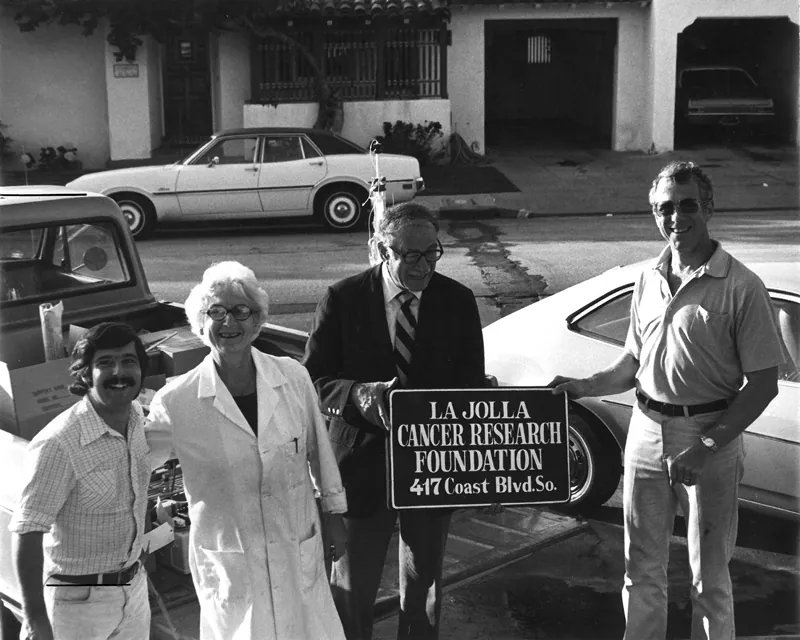
For more than half a century, Sanford Burnham Prebys has been shaped by bold ideas, dedicated scientists, and a shared commitment to discovery. From our founding moments to the breakthroughs of today, our history reflects how curiosity and perseverance have driven progress.
50 Years of Discovery
For more than half a century, Sanford Burnham Prebys has been shaped by bold ideas, dedicated scientists, and a shared commitment to discovery. From our founding moments to the breakthroughs of today, our history reflects how curiosity and perseverance have driven progress.
Confronting the Threat to Biomedical Research
A FAIR Way Forward for Federal Research Funding »
The NIH’s abrupt decision to cap indirect costs at 15% threatens the future of scientific discovery. This policy endangers research institutions, slows progress and weakens U.S. leadership in life sciences. We stand united in opposition and are actively working to reverse this harmful decision.
Our Impact
At Sanford Burnham Prebys, we bring together visionary scientists, emerging technologies and world-class resources.
In a time of dramatic change in biomedical research, our mission remains steadfast: Turn scientific discovery into a healthier world.
Our Research
Centers
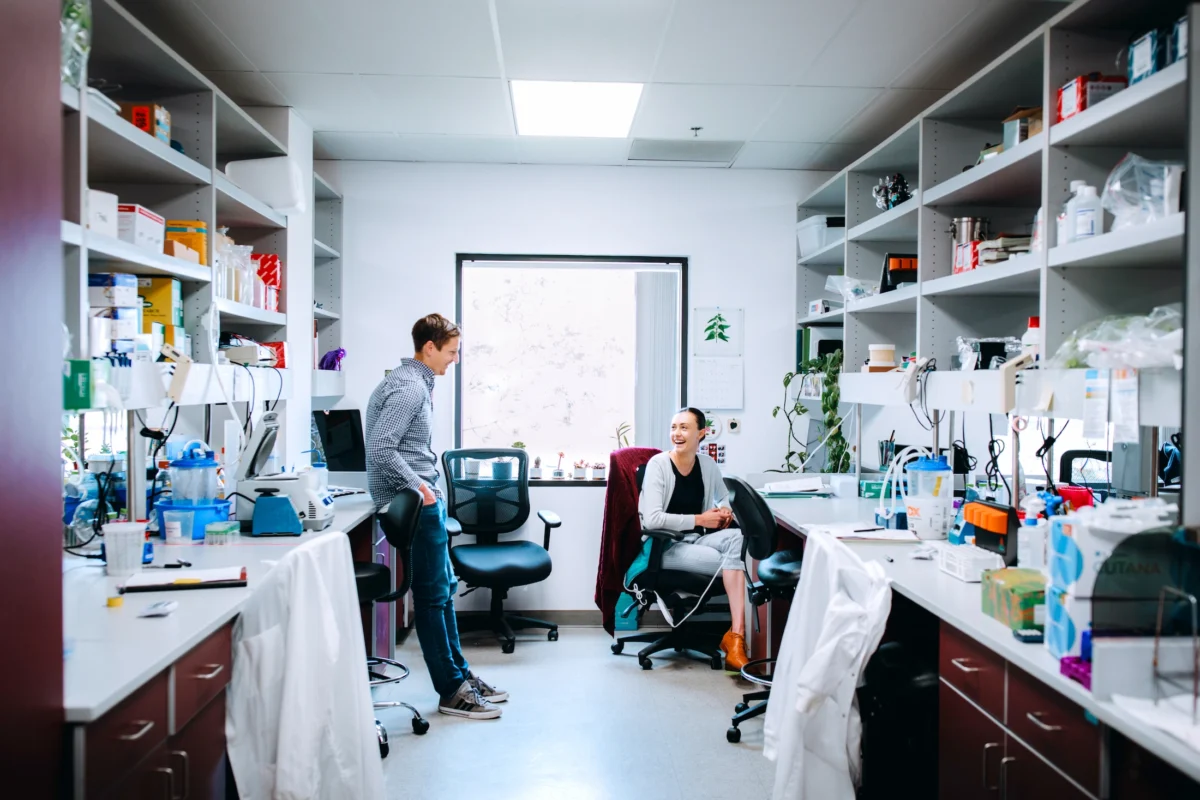
Our research is organized across six centers that bring together expertise in cancer, heart and muscle, neurologic, and metabolic and liver diseases, alongside advanced capabilities in therapeutics discovery and data science. Together, these centers create a collaborative environment where fundamental biology and innovative technologies converge to accelerate discovery and improve human health.
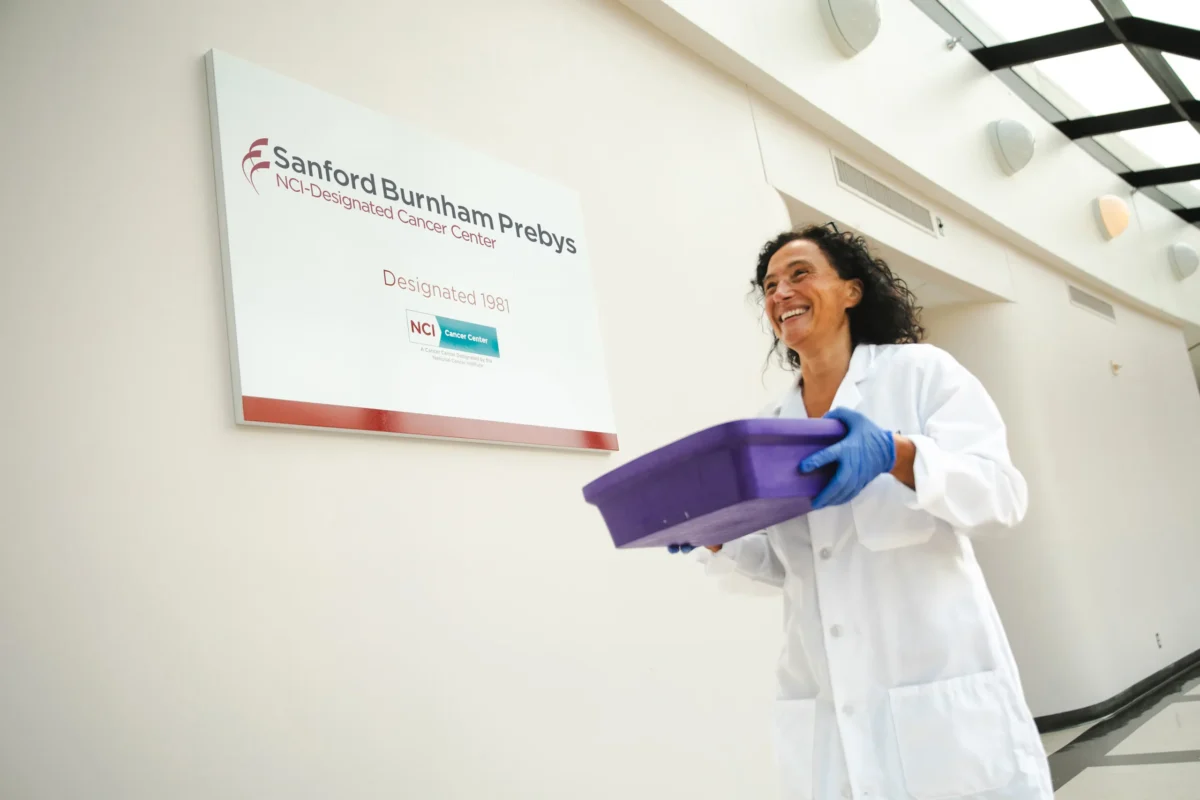
NCI-Designated Cancer Center
One of only eight National Cancer Institute-designated Basic Laboratory Cancer Centers in the U.S., we are a hub for scientific leadership and basic cancer research. An active Community Advisory Board further supports our mission, educating the public and advancing patient advocacy.
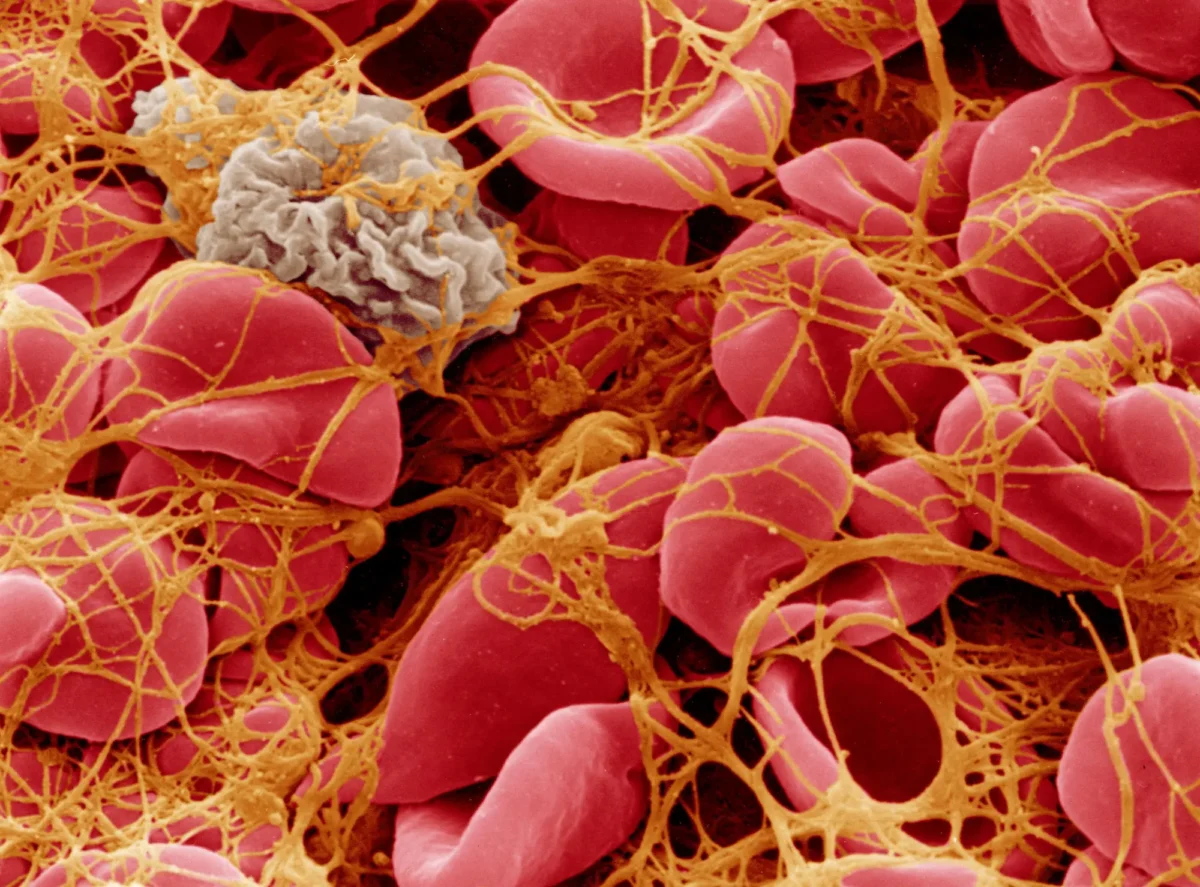
Center for Cardiovascular and Muscular Diseases
We get to the heart of biological processes in muscle cells and tissues to discover new treatments for millions suffering from debilitating muscular conditions and cardiovascular disease — the leading cause of death in the U.S.
Center for Neurologic Diseases
To improve the quality of life for a rapidly aging worldwide population, we use molecular approaches to gain a therapeutically actionable understanding of diseases like Alzheimer’s, Parkinson’s and other neurodegenerative conditions.
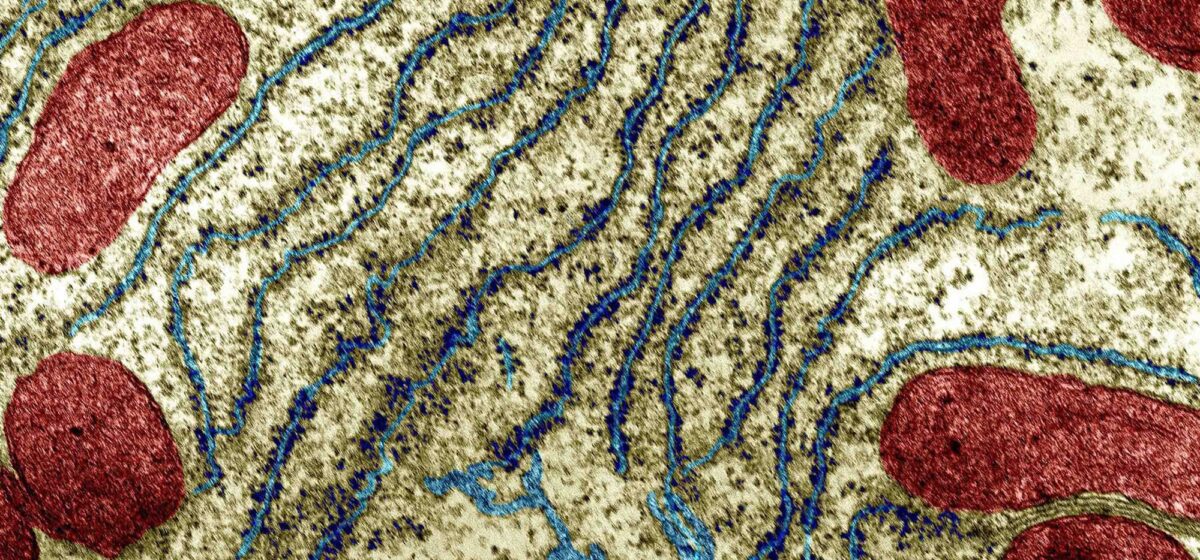
Center for Metabolic and Liver Diseases
Metabolism is fundamental to life, yet metabolic malfunction causes disorders ranging from obesity and diabetes to inflammatory bowel disease. These conditions threaten vital internal organs, including the body’s largest — the liver.
Center for Data Science and Artificial Intelligence
Knowledge is data, derived from facts, information, and ideas. The modern scientific enterprise is in the age of data science, utilizing rapidly advancing tools like computational biology, machine learning, and artificial intelligence.
Center for Therapeutics Discovery
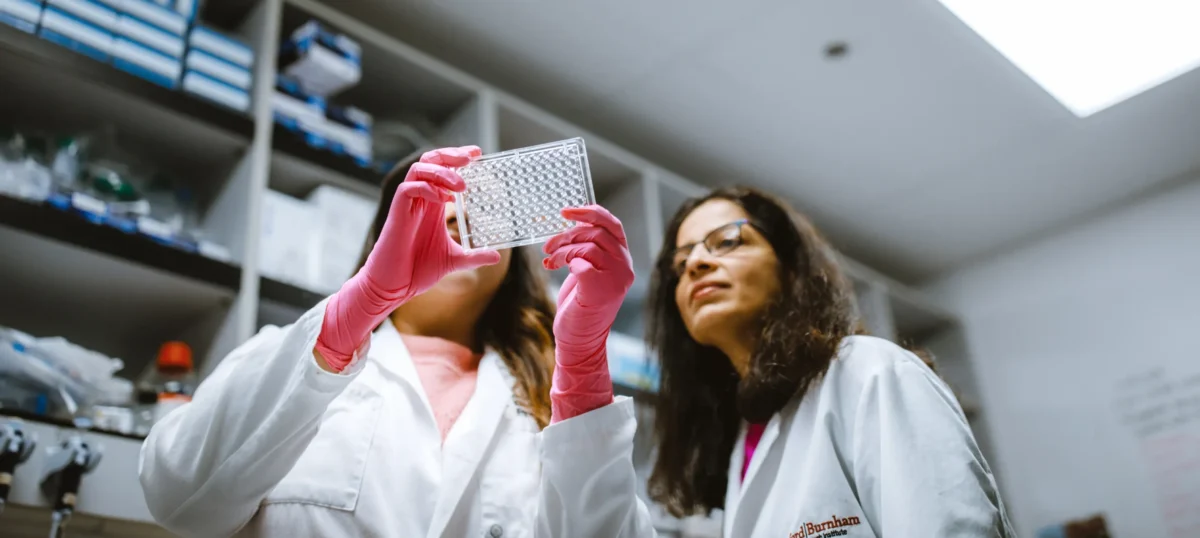
This is where concepts become realities. We deploy the latest technologies, from robotically enabled high-throughput screening to in vitro and in vivo pharmacology and medicinal and computational chemistry, to translate original research into drugs that improve patients’ health and wellbeing.
Our Technology
Licensing and Partnering Opportunities
Sanford Burnham Prebys is committed to translating scientific discoveries into real-world impact. Browse available technologies, intellectual property and collaboration opportunities from our researchers and connect with us to learn more about licensing and partnership opportunities.
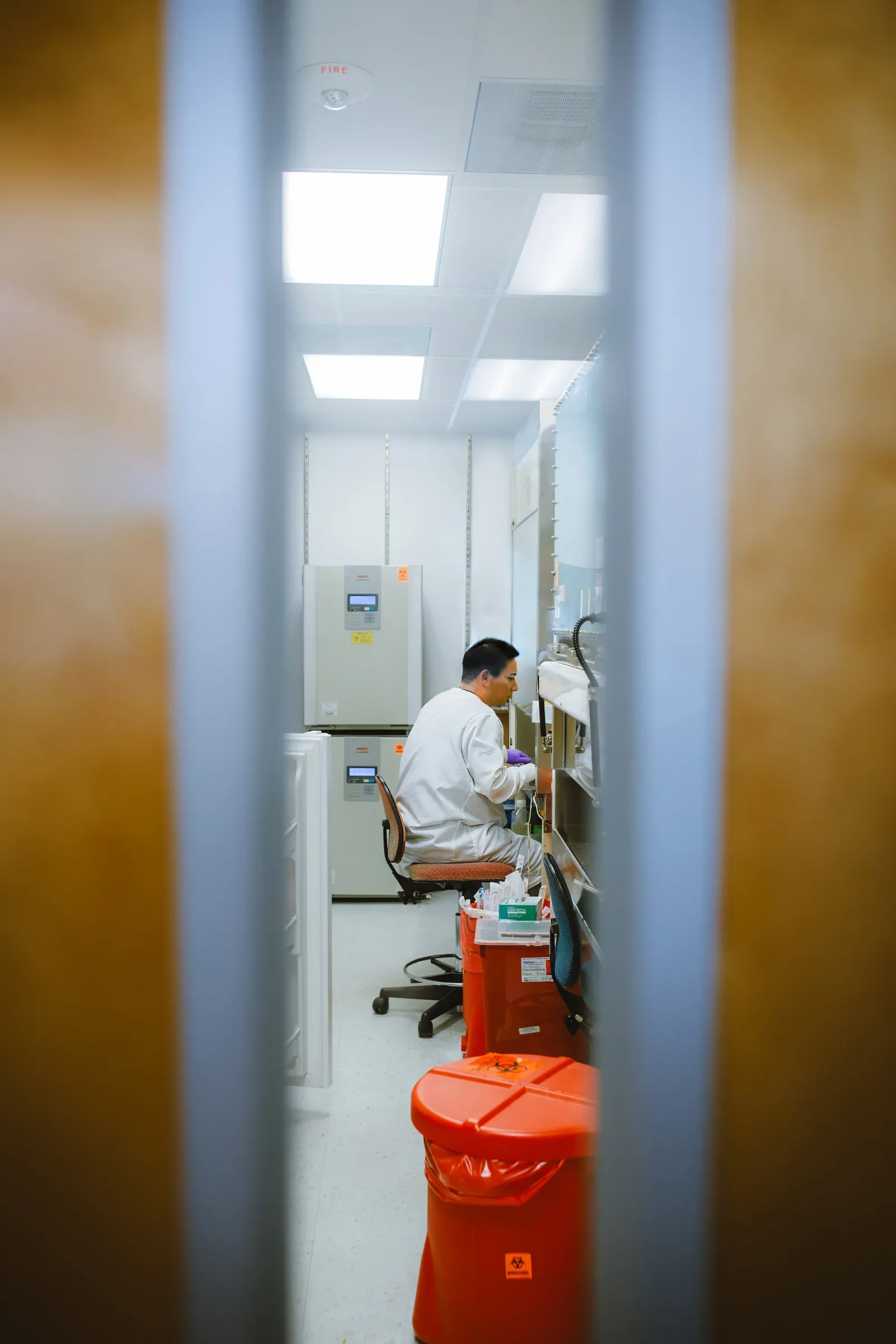
Research Centers
Our four disease-focused research centers target the most pressing health threats: cancer, cardiovascular/muscular, neurologic and metabolic disease. They are supported by three enabling technologies centers for drug discovery, multi-omics and computational biology/artificial intelligence, and enriched by four overarching research themes: aging, immunology/inflammation, stem cells/regenerative medicine and children’s health.
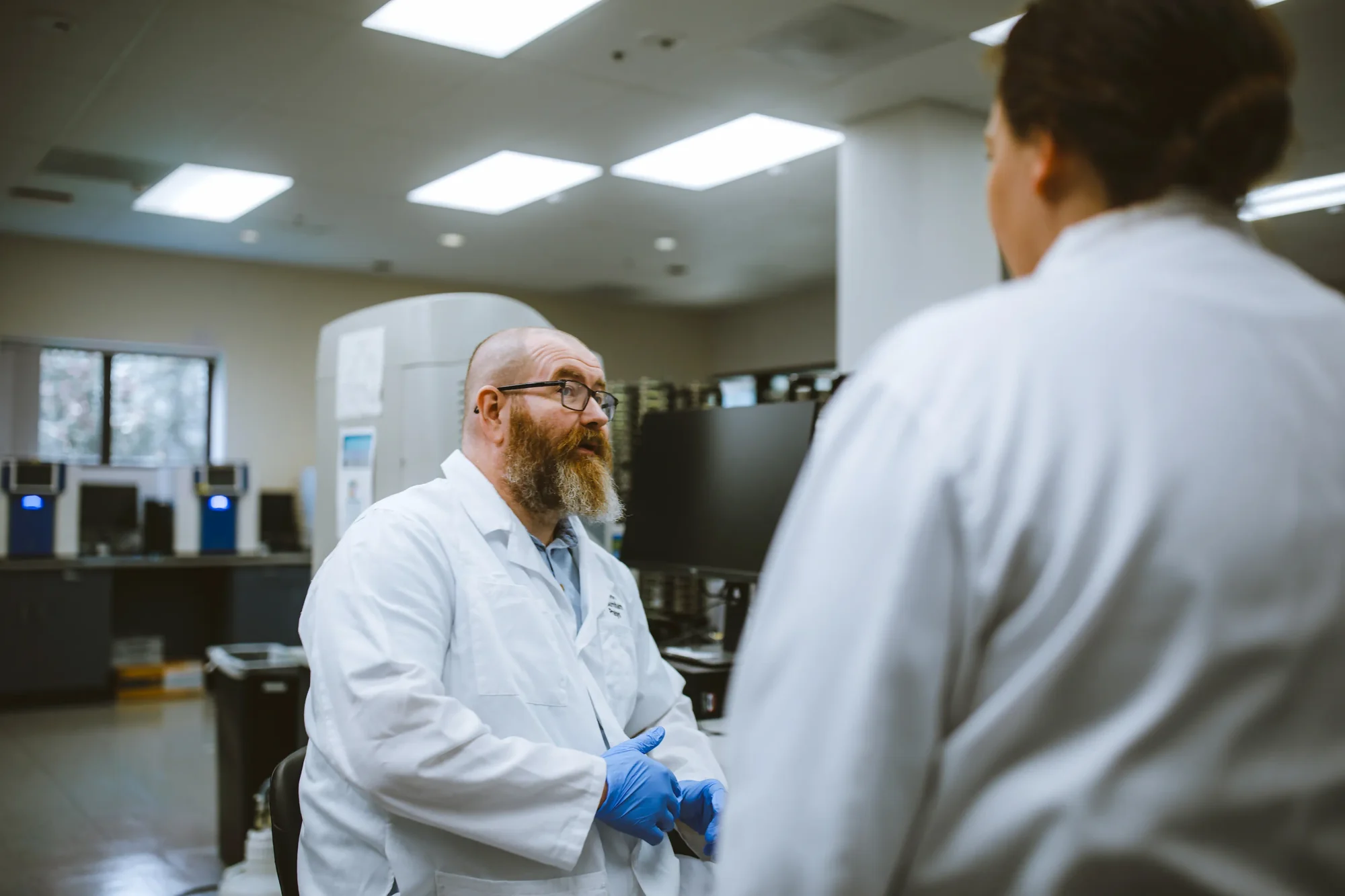
Research Programs
Within the research centers are distinct programs that group together researchers working in key areas of biology to foster collaboration and create a stimulating scientific environment. Programs range from cancer epigenetics to degenerative diseases to aging — and support our work to advance scientific discovery to clinical care quickly and smartly.
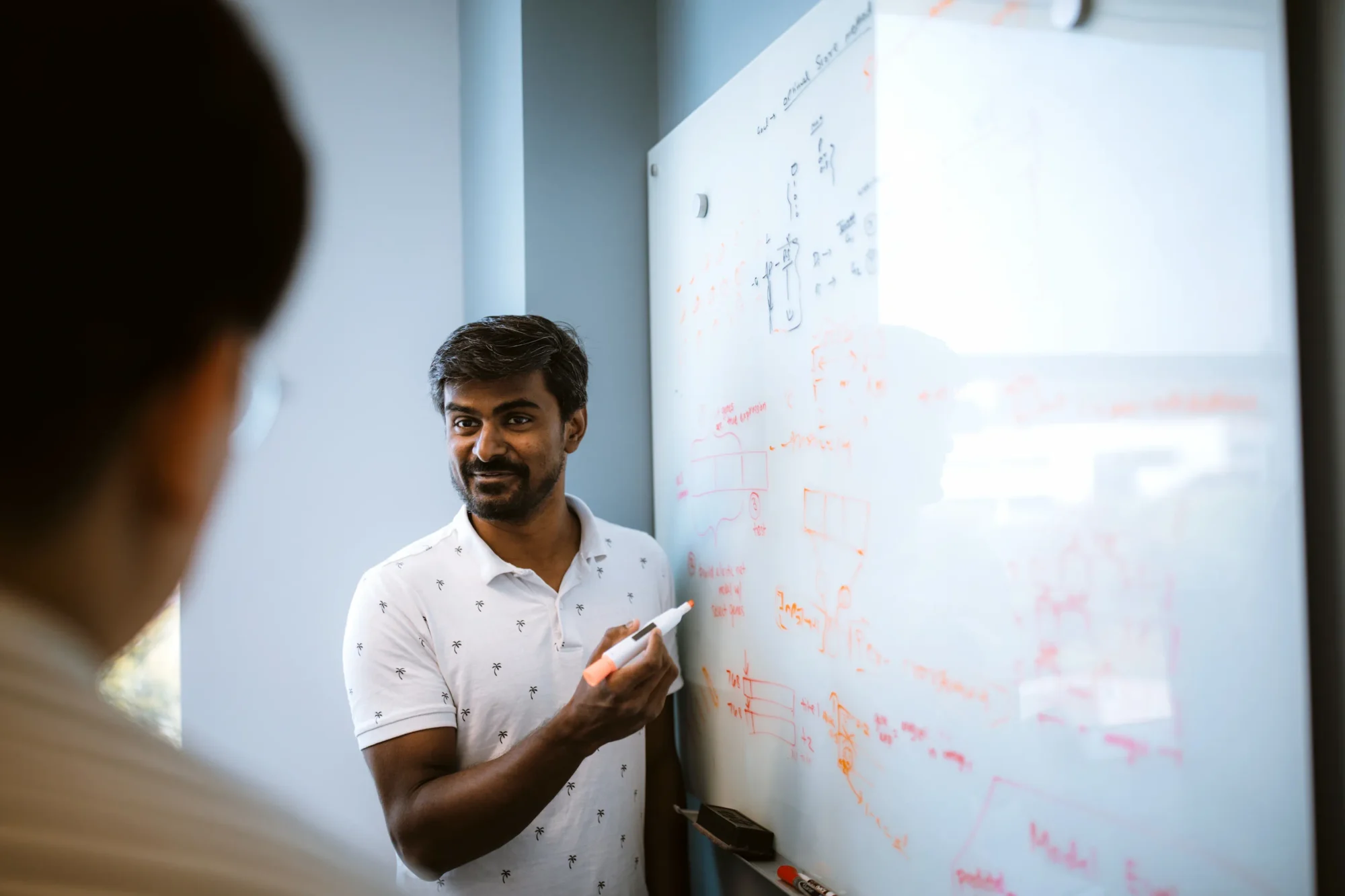
Education
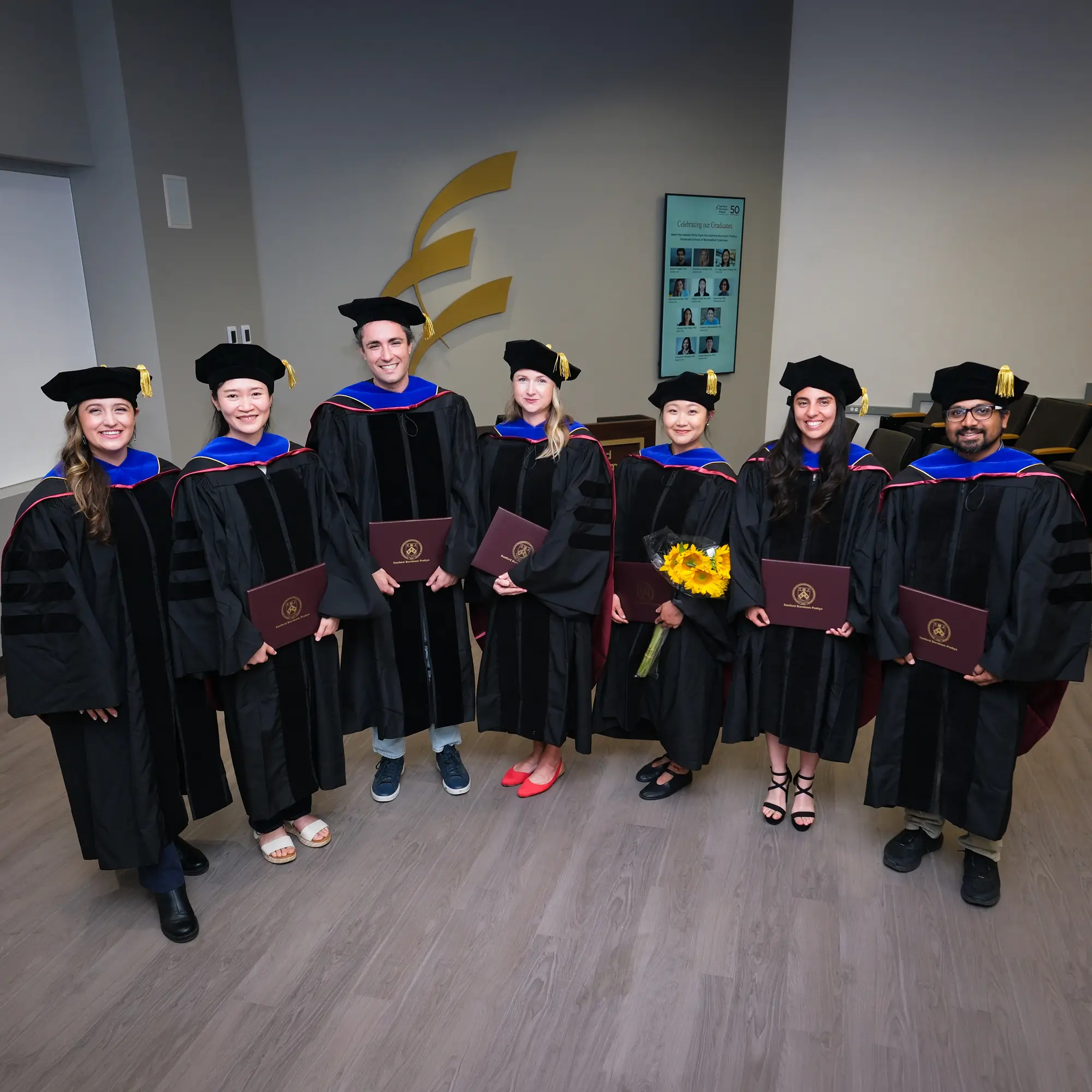
The Graduate School of Biomedical Sciences and post-doctoral programs recruit and train future generations of diverse scientists, combining hands-on laboratory experience with close mentorship from world-class researchers, buttressed by extensive networking and support services.
Our Central Mission
Our four disease-focused research centers target the most pressing health threats: cancer, cardiovascular/muscular, neurologic and metabolic disease. They are supported by three enabling technologies centers for drug discovery, multi-omics and computational biology/artificial intelligence, and enriched by four overarching research themes: aging, immunology/inflammation, stem cells/regenerative medicine and children’s health.
Discovery Driven
Within the research centers are distinct programs that group together researchers working in key areas of biology to foster collaboration and create a stimulating scientific environment. Programs range from cancer epigenetics to degenerative diseases to aging — and support our work to advance scientific discovery to clinical care quickly and smartly.
Science Shaped
The Graduate School of Biomedical Sciences and post-doctoral programs recruit and train future generations of diverse scientists, combining hands-on laboratory experience with close mentorship from world-class researchers, buttressed by extensive networking and support services.
Latest News
 Oct 5, 2026
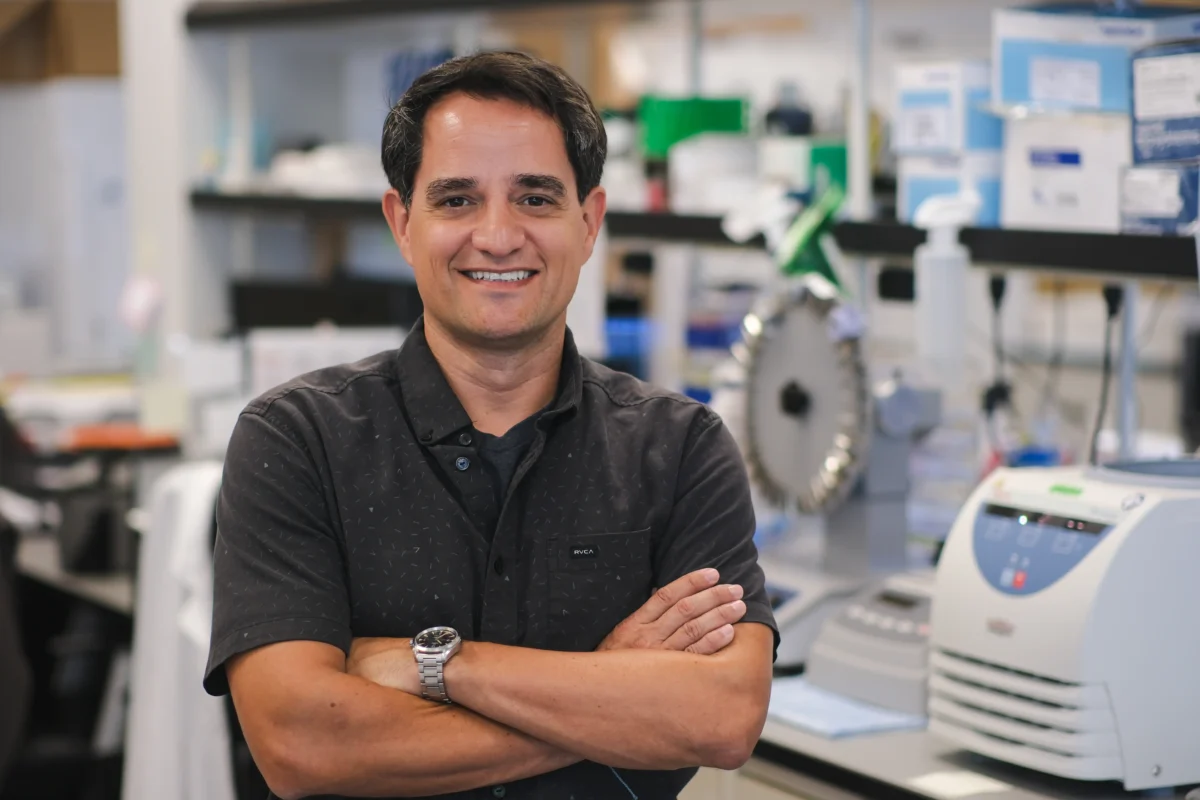
Lukas Chavez from Sanford Burnham Prebys named recipient of 2026 AWS Children’s Health Innovation Award
Oct 5, 2026The award will support the Center for Data Science and Artificial Intelligence in developing an AI-powered system to help identify…
 Oct 1, 2026
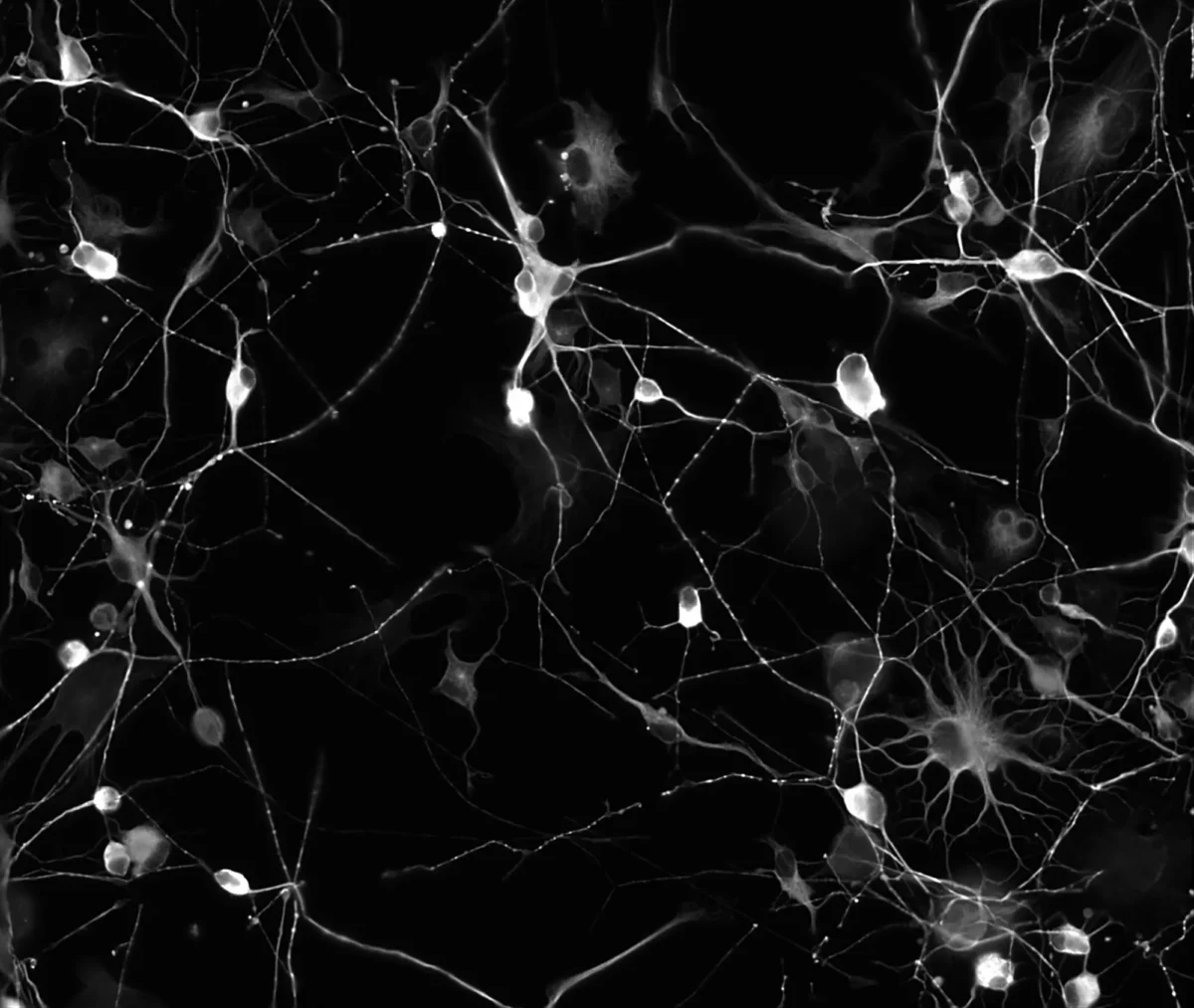
Cellular recycling changes with age, but not how we expected
Oct 1, 2026Study from the Kumsta lab shows a complex relationship between cells’ recycling and age and finds exercise may change autophagy…
 Sep 29, 2026
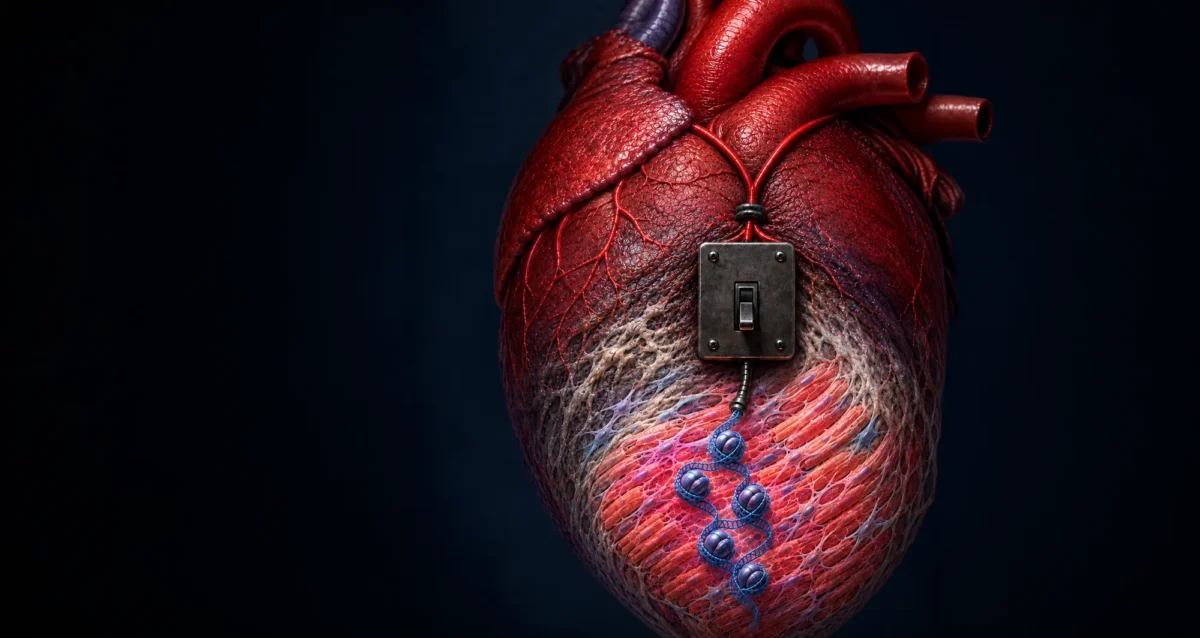
Modifying heart cell metabolism unlocks self-repair system after heart attack
Sep 29, 2026Study from the Mahmoud lab shows how blocking an energy transfer enzyme shifts mammalian hearts into a regenerative state.
 Sep 10, 2026
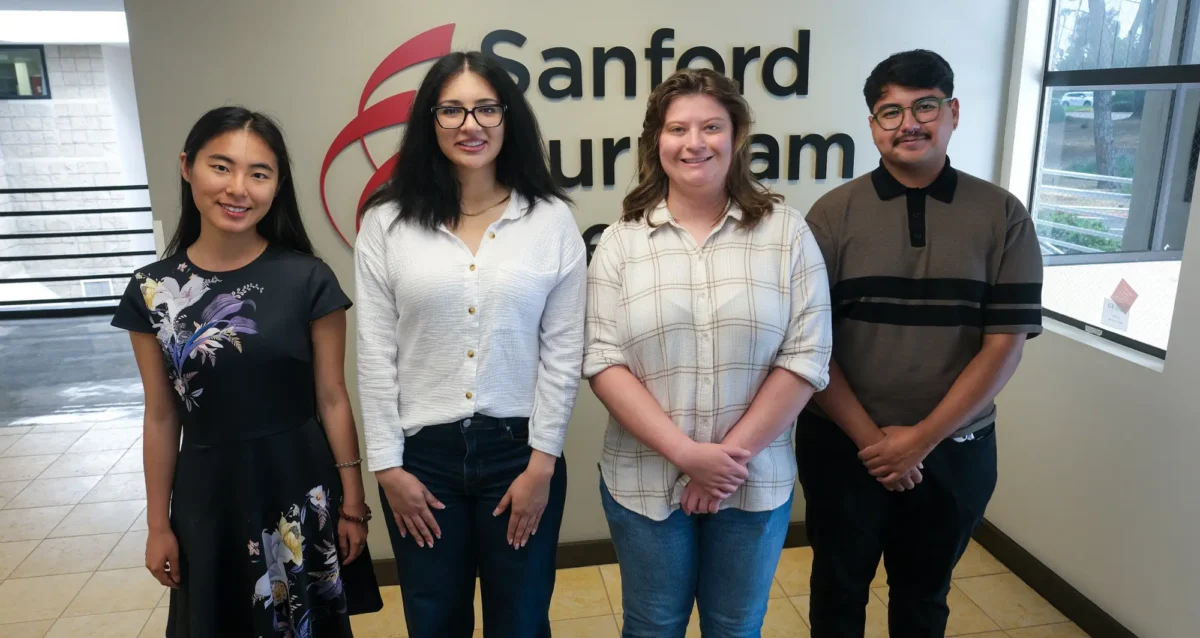
Prebys Foundation awards $1 million grant to support science careers
Sep 10, 2026The Institute has received a two-year, $1 million grant from the Prebys Foundation to support institute scientists at three critical…
 Sep 1, 2026
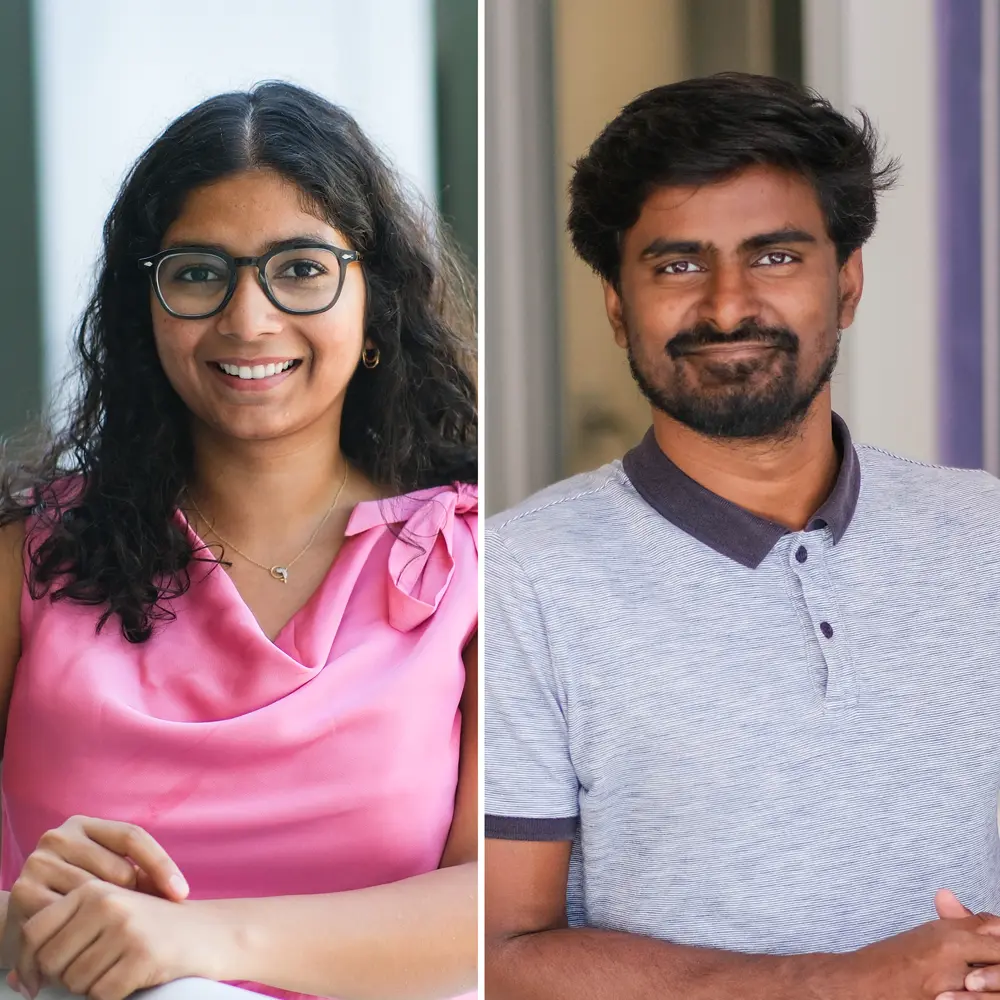
Every organ ages on its own schedule—and the schedules are in sync
Sep 1, 2026From the Sinha lab, a structural aging atlas highlights hormonal signaling as a potential conductor.
 Aug 31, 2026
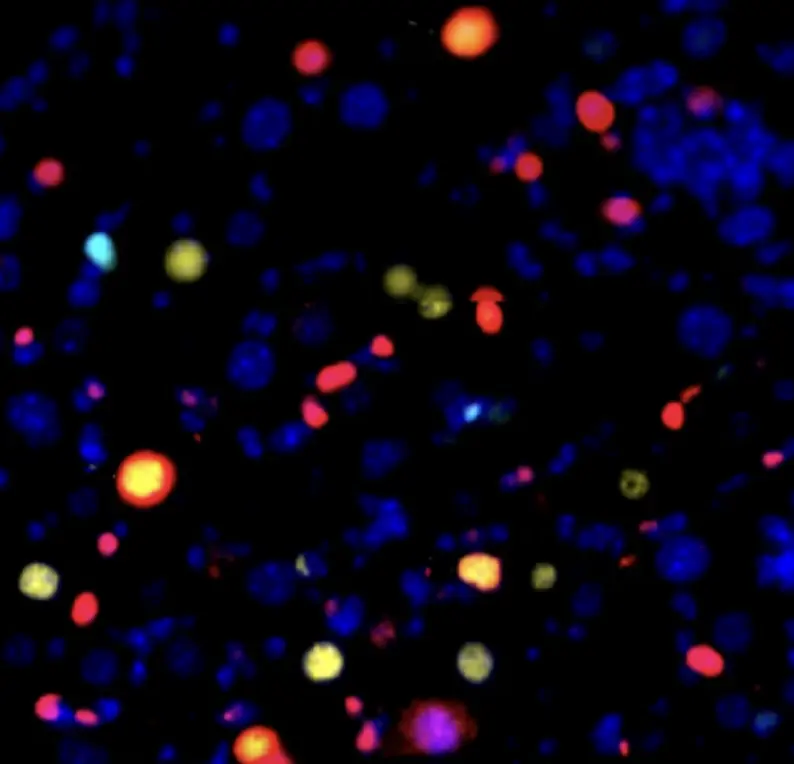
The secret identity of a cell cycle regulator in cells that don’t cycle
Aug 31, 2026Study from the Adams lab shows cell proliferation protein cyclin D1 paradoxically promotes inflammation in non-proliferating senescent cells.
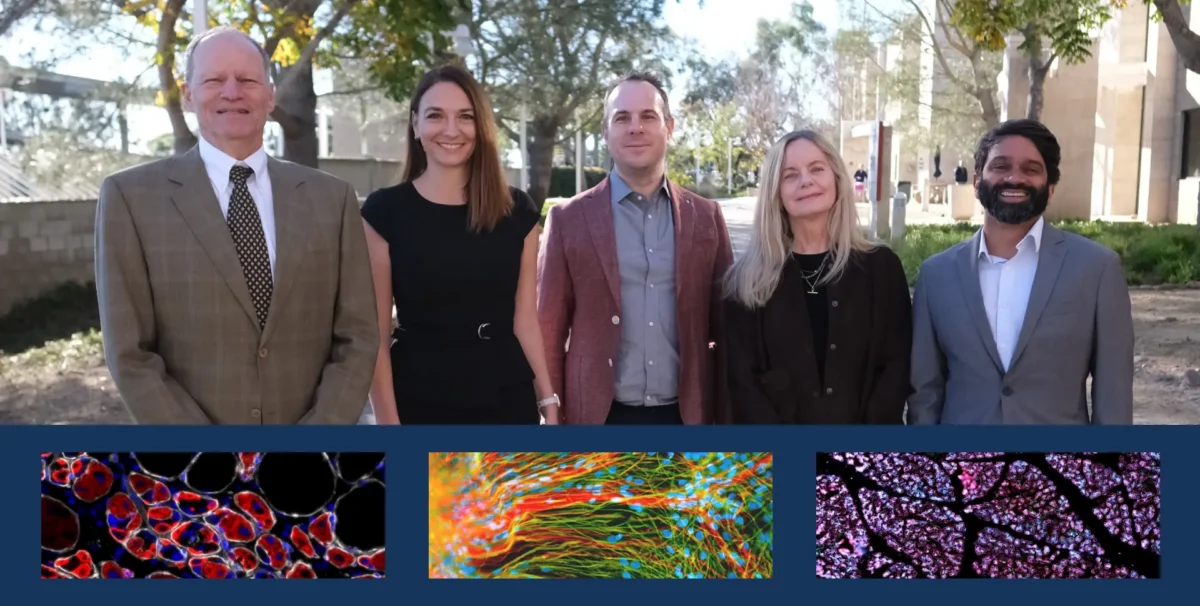
Scientific Summit
Held in celebration of the 50th anniversary, this Scientific Summit featured a panel of Institute scientists discussing advances in research on diseases including cancer, Alzheimer’s and metabolic disorders.